
Shortening the 140 Million Mile Gap
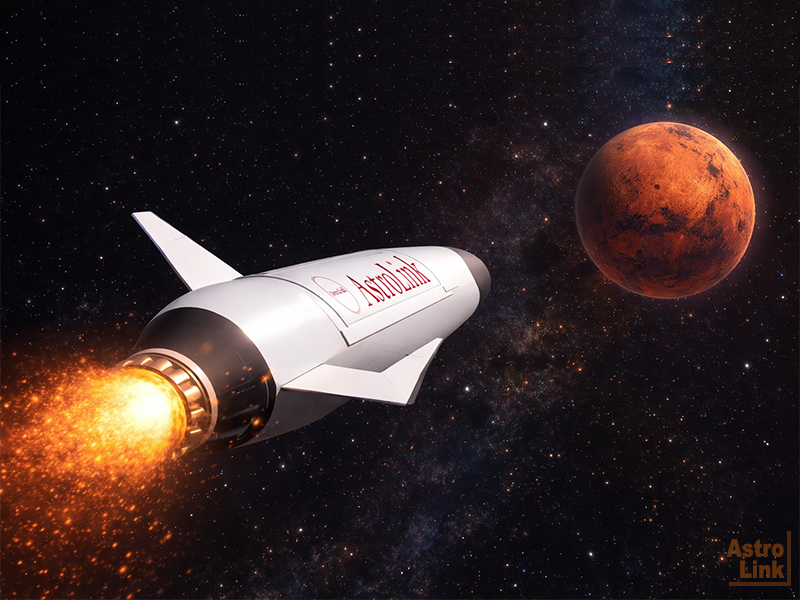
Viz and Ice they are thrilled to unveil AstroLink—a revolutionary breakthrough that shatters one of the greatest obstacles to human space exploration: the immense challenge of efficiently powering and fueling long-distance interplanetary travel between Earth and Mars.
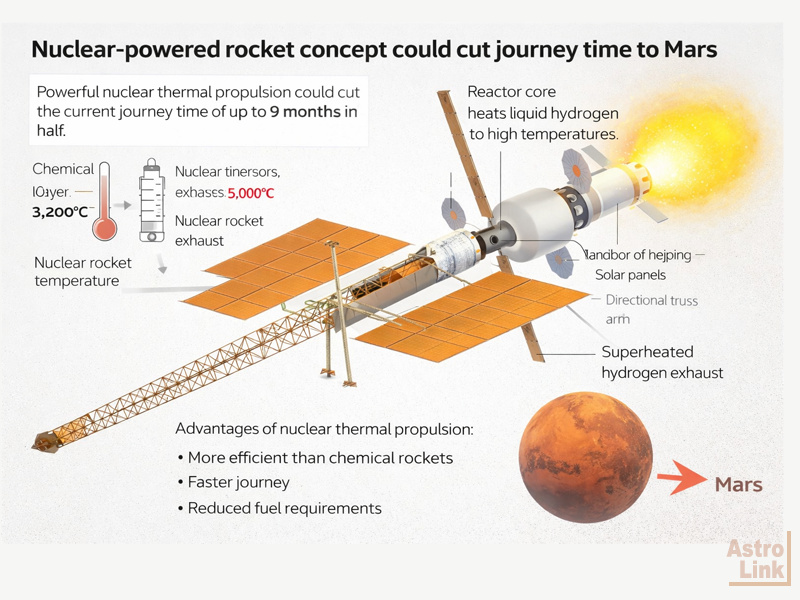
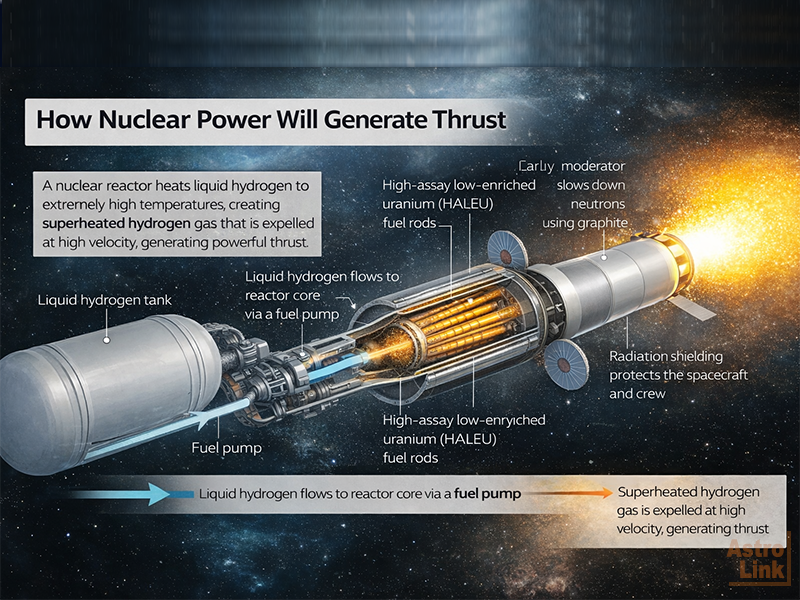
By introducing a game-changing orbital refueling and nuclear-powered energy hub, AstroLink eliminates the need for spacecraft to carry their entire fuel load from Earth’s surface. This enables dramatically faster journeys (potentially slashing travel time from 7–9 months to just months), reduces launch mass and costs, and paves the way for sustainable, continuous human presence across the solar system.
AstroLink isn’t just an idea—it’s the key to unlocking humanity’s future among the stars.


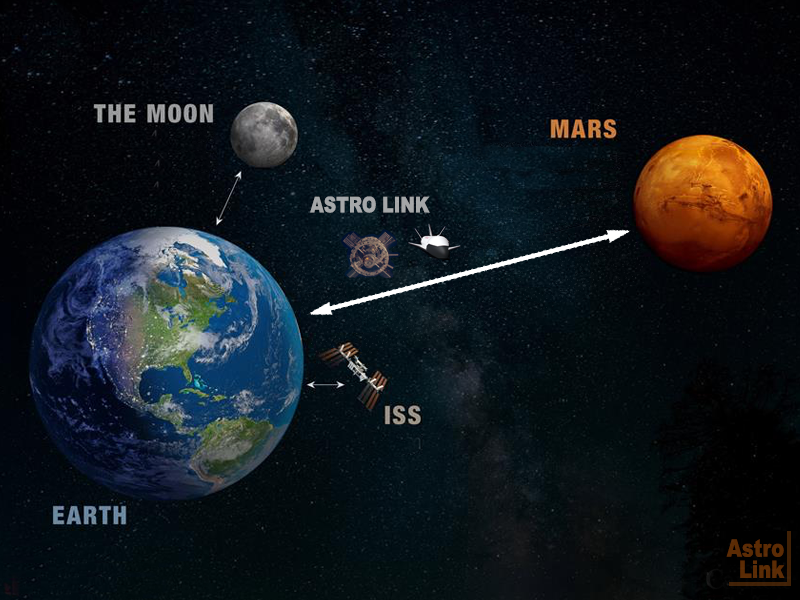
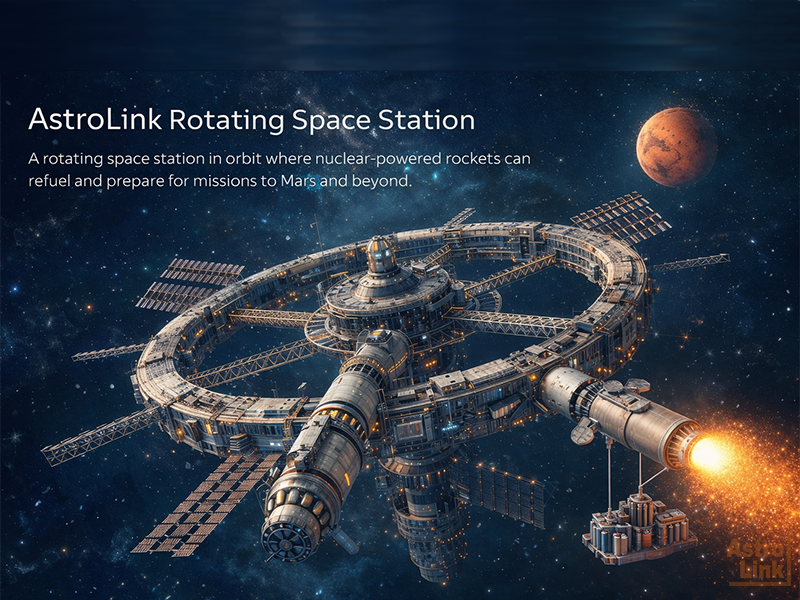
Where Earth Ends, Aster Link Begins: Aster Link is the world’s first permanent orbital gateway connecting Earth and Mars. Designed to make interplanetary travel faster, cheaper, and repeatable, AstroLink transforms today’s one-time Mars missions into a sustainable transportation network.
By enabling spacecraft to dock, refuel, transfer cargo, and relay communications in orbit, Aster Link creates a reliable bridge between two worlds opening the door to continuous exploration, scientific discovery, and future settlement.
Aster Link isn’t just a project. It’s the foundation direction for humanity’s next giant leap.
VIZ a Boo
"VIZ a Boo" is a team of young explorers who love dreaming big and solving problems beyond Earth! They use science, creativity, and teamwork to come up with ideas that could help humans live on other planets. Through fun projects and experiments, VIZ a Boo inspires kids to be curious, think like inventors, and imagine a future where anything is possible in space.
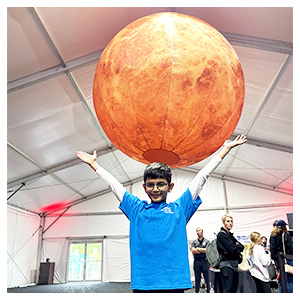
Diameter of Mars
Mars Average temperature
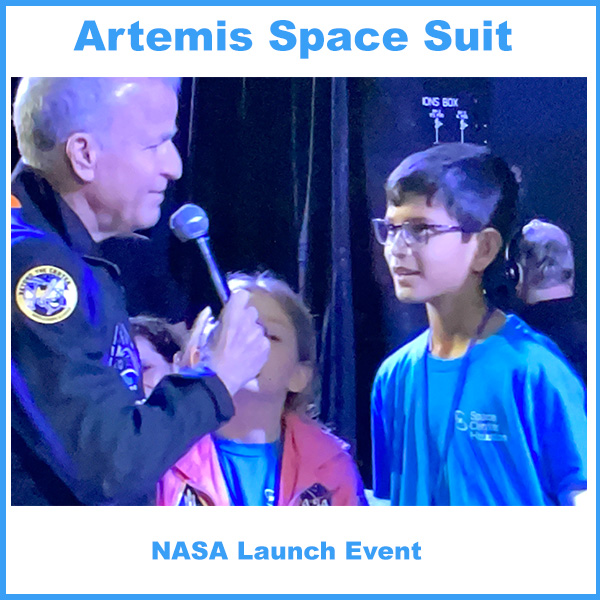
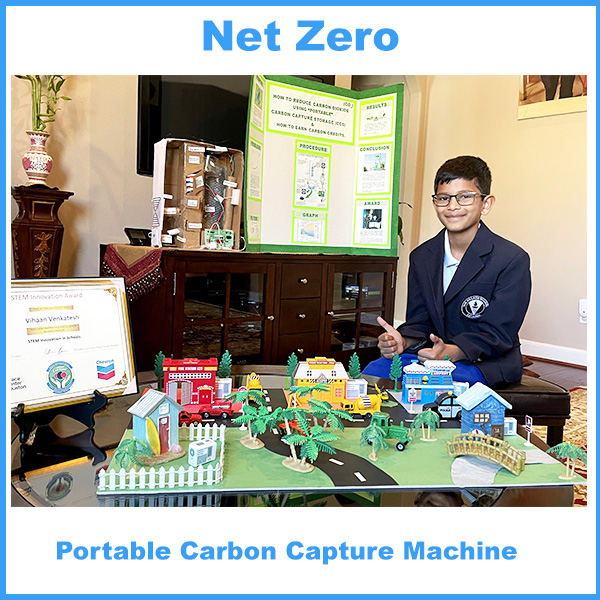
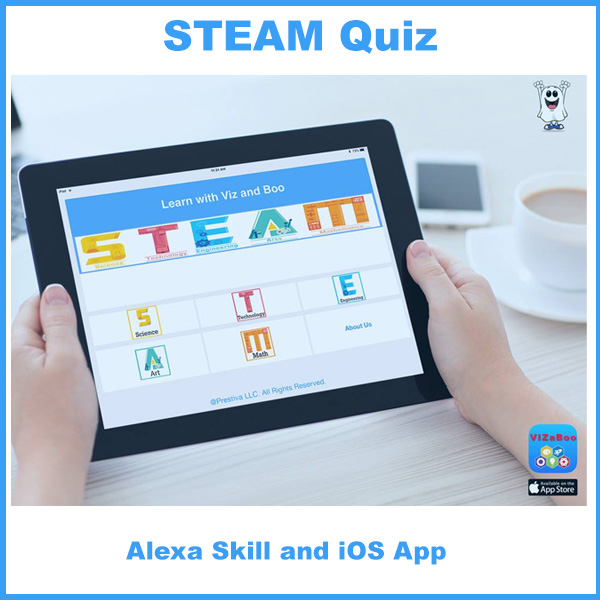
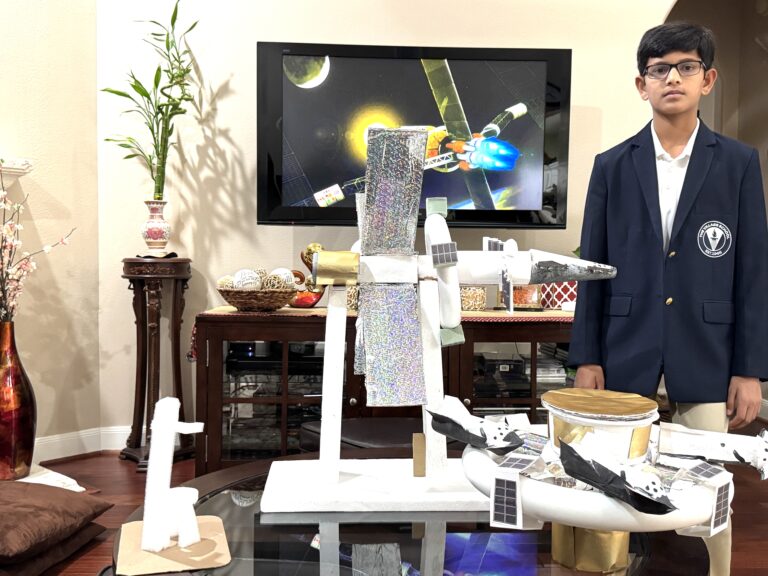
Viz's Past Exploration Projects


Astro Link fuels the future:The gateway where exploration meets innovation
Astro Link is a deep-space fueling and energy station positioned just beyond Earth’s orbit. It serves as a stable, reliable waypoint where rockets can refuel and recharge before beginning the long journey to Mars.
"Making humanity multiplanetary."
This powerful vision drives SpaceX's relentless pursuit of Mars colonization, with the ultimate goal of establishing a self-sustaining city on the Red Planet to ensure the long-term survival of human civilization—becoming a multi-planet species rather than remaining confined to a single world. As SpaceX states on its official site: the company was founded "with the ultimate goal of enabling people to live on other planets," and in recent updates (as of 2025–2026 timelines), Musk has emphasized ambitious plans like sending uncrewed Starships to Mars by the end of 2026, paving the way for human landings soon after. It's a bold declaration that captures the spirit of exploration and the existential imperative to expand beyond Earth.
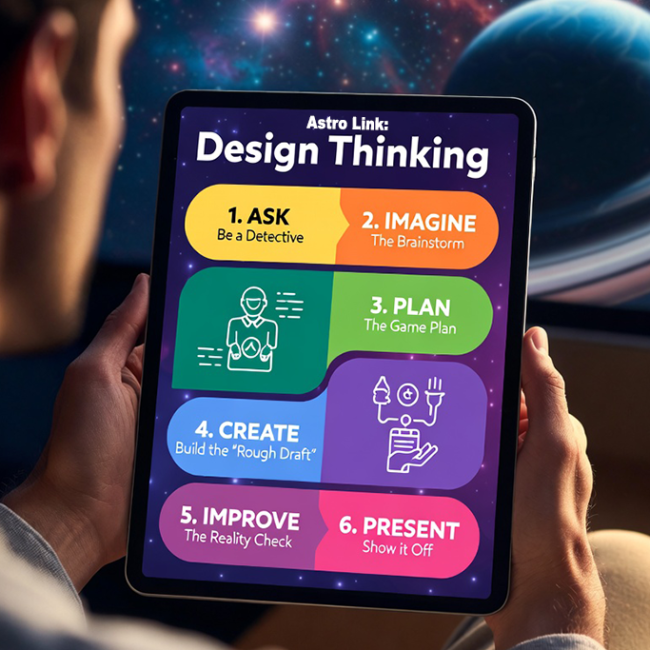
We followed Design Thinking Methodology is a powerful, human-centered methodology which taught at The Village School, Houston TX which empowers students to solve complex problems and create innovative solutions through empathy, creativity, and iteration. It consists of six iterative stages: Empathize (deeply understand users’ needs and pain points), Define (clearly articulate the core problem), Ideate (brainstorm bold, creative possibilities without limits), Prototype (build tangible, low-fidelity versions to make ideas real), and Test (gather real user feedback to learn, refine, and improve). This flexible, non-linear process encourages curiosity, collaboration, and rapid experimentation—turning uncertainty into opportunity and transforming ideas into meaningful, student-loved solutions.
© 2026 Vibba LLC, All Rights Reserved